Princeton University is one of the most prestigious and historic institutions of higher education in the United States. Located in the charming town of Princeton, the university is renowned for its commitment to academic excellence, groundbreaking research, and a strong sense of community. As a member of the Ivy League, Princeton has built a global reputation for producing leaders, scholars, and innovators across various fields.
Founded in 1746, Princeton University is the fourth-oldest college in the United States, following Harvard University, the College of William & Mary, and Yale University. Originally established as the College of New Jersey, it was later renamed Princeton University in 1896 to reflect its expanded academic mission and growing prominence.
Historical Background
Princeton’s origins are deeply rooted in the colonial era of American history. It was founded by Presbyterian ministers seeking to train clergy, but over time it evolved into a comprehensive university offering a wide range of disciplines. During the American Revolution, Princeton played a significant role, with the town serving as a battleground during the Battle of Princeton. The university’s Nassau Hall even briefly served as the capital of the United States in 1783.
Throughout the 19th and 20th centuries, Princeton expanded its academic offerings and research capabilities. It transitioned from a small college into a major research university, attracting students and scholars from around the world.
Campus and Architecture
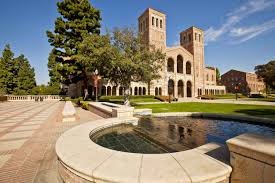
Princeton’s campus is widely regarded as one of the most beautiful in the United States. Featuring a blend of Collegiate Gothic architecture and modern facilities, the campus provides an inspiring environment for learning and exploration. Nassau Hall, one of the oldest buildings on campus, remains a central symbol of the university’s rich history.
The campus spans over 600 acres and includes libraries, research centers, residential colleges, and cultural institutions. The Princeton University Library is a major resource, housing millions of volumes and supporting advanced research across disciplines.
In addition to academic buildings, Princeton offers numerous green spaces, gardens, and lakes, creating a serene and picturesque setting that enhances student life.
Academic Structure
Princeton University is known for its strong emphasis on undergraduate education while also maintaining excellent graduate programs. The university is organized into several academic divisions, including:
- Humanities
- Social Sciences
- Natural Sciences
- Engineering
Unlike many other research universities, Princeton does not have professional schools such as business or medical schools, allowing it to focus more intensely on fundamental research and liberal arts education.
One of Princeton’s distinguishing features is its commitment to independent research. Undergraduate students are required to complete a senior thesis, an original research project that demonstrates their academic abilities and critical thinking skills. Graduate students also engage in advanced research, contributing to the university’s reputation for intellectual rigor.
Admissions and Selectivity
Admission to Princeton University is highly competitive, with one of the lowest acceptance rates in the world. The university seeks students who demonstrate exceptional academic performance, intellectual curiosity, leadership potential, and a commitment to service.
The admissions process is holistic, considering not only academic achievements but also extracurricular involvement, personal essays, and recommendations. Princeton values diversity and strives to create a student body that represents a wide range of backgrounds, perspectives, and experiences.
Research and Innovation
Princeton is a leading center for research and innovation. Faculty and students work together on projects that address some of the most pressing challenges facing society today. The university has made significant contributions to fields such as physics, economics, mathematics, and public policy.
Princeton has been associated with numerous Nobel Prize winners and distinguished scholars. One of the most famous figures connected to the university is Albert Einstein, who worked at the nearby Institute for Advanced Study. Although not formally a Princeton faculty member, his presence greatly influenced the intellectual environment of the area.
The university’s research facilities include state-of-the-art laboratories and centers dedicated to scientific discovery and technological advancement. Princeton encourages interdisciplinary collaboration, allowing researchers to explore new ideas and develop innovative solutions.
Student Life and Community
Student life at Princeton is vibrant and diverse. The university offers a wide range of extracurricular activities, including student organizations, cultural groups, and community service initiatives. These opportunities allow students to develop leadership skills, pursue their interests, and build lasting friendships.
Princeton’s residential college system is a key aspect of student life. Undergraduate students live in residential colleges that provide academic support, social activities, and a sense of belonging. These communities foster close relationships between students and faculty, enhancing the overall educational experience.
Athletics also play an important role at Princeton. The university’s teams, known as the Tigers, compete in the Ivy League and have a strong tradition of excellence in sports. Students are encouraged to participate in athletics, whether at the varsity, club, or intramural level.
Notable Alumni
Princeton University has produced many influential alumni who have made significant contributions to society. Some of the most notable include:
- Woodrow Wilson – Former U.S. President and Princeton president.
- Jeff Bezos – Entrepreneur and founder of Amazon.
- Michelle Obama – Lawyer and advocate for education and health.
- F. Scott Fitzgerald – Renowned author of The Great Gatsby.
These individuals reflect Princeton’s tradition of cultivating leaders in politics, business, literature, and public service.
Global Impact
Princeton’s influence extends across the globe. The university collaborates with institutions, governments, and organizations worldwide to address global challenges and promote knowledge exchange. Its alumni network spans numerous countries, contributing to its international reputation.
Princeton also offers study abroad programs and international research opportunities, allowing students to gain a global perspective and engage with diverse cultures. This emphasis on global engagement prepares graduates to succeed in an increasingly interconnected world.
Financial Aid and Accessibility
Princeton is committed to making education accessible to talented students regardless of their financial background. The university offers one of the most generous financial aid programs in the world, providing need-based aid that often covers tuition, housing, and other expenses.
Princeton’s policy of replacing loans with grants ensures that students can graduate without significant debt. This commitment to affordability has made it possible for students from diverse economic backgrounds to attend the university.
Challenges and Criticism
Like many elite institutions, Princeton has faced criticism regarding issues such as diversity, inclusion, and representation. The university has taken steps to address these concerns by implementing initiatives aimed at promoting equity and supporting underrepresented communities.
Princeton also faces the challenge of maintaining its tradition of excellence while adapting to the rapidly changing landscape of higher education. This includes integrating new technologies, expanding research areas, and addressing global challenges.
Future Outlook
Looking ahead, Princeton University is well-positioned to continue its legacy of excellence and innovation. The university is investing in emerging fields such as artificial intelligence, environmental sustainability, and data science.
Princeton’s commitment to interdisciplinary research and collaboration ensures that it remains at the forefront of academic and scientific advancement. By fostering creativity, critical thinking, and ethical leadership, the university prepares its students to tackle the challenges of the future.
Conclusion
Princeton University stands as a symbol of academic excellence, intellectual curiosity, and global impact. With its rich history, beautiful campus, and commitment to research and education, Princeton continues to shape the minds of future leaders.
From its founding in the 18th century to its current status as a world-renowned institution, Princeton has consistently demonstrated a dedication to knowledge, innovation, and service. Its graduates go on to make meaningful contributions in a wide range of fields, reflecting the university’s enduring mission to serve humanity.
In an ever-changing world, Princeton remains a beacon of learning and discovery, inspiring generations of students to pursue excellence and make a difference in society.